Here’s something most people don’t realise until they’ve been to a really well-produced event.
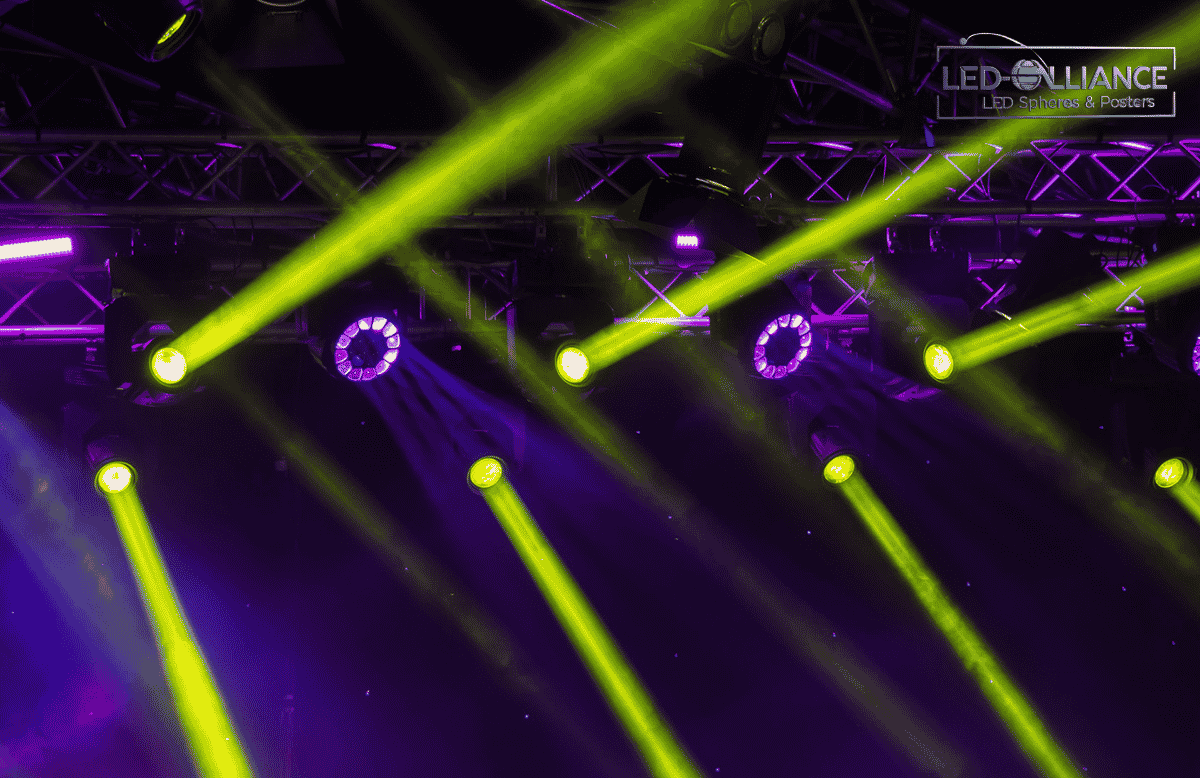
You don’t remember the lighting. Not consciously anyway. What you remember is how the performer looked when they walked on stage. The way the room felt during that opening number. The moment a single beam of light cut through the dark and suddenly everyone in the venue was focused on exactly the same thing.
That’s a spotlight doing its job. And when it’s done right, nobody notices it — they just feel it.
We’ve been placing spotlights on stages for concerts, corporate events, award ceremonies, and live productions for years. So if you’re trying to figure out what stage lighting spotlights actually involve — what types exist, what they cost, what’s worth paying for and what isn’t — this is a straight honest guide from people who do this regularly.
Why Spotlights Are the Most Important Fixture on Any Stage
They Direct Attention Better Than Anything Else
There’s a reason every theatre, every concert venue, and every serious event production uses spotlights as the foundation of their lighting design. It’s because nothing else controls an audience’s attention as precisely.
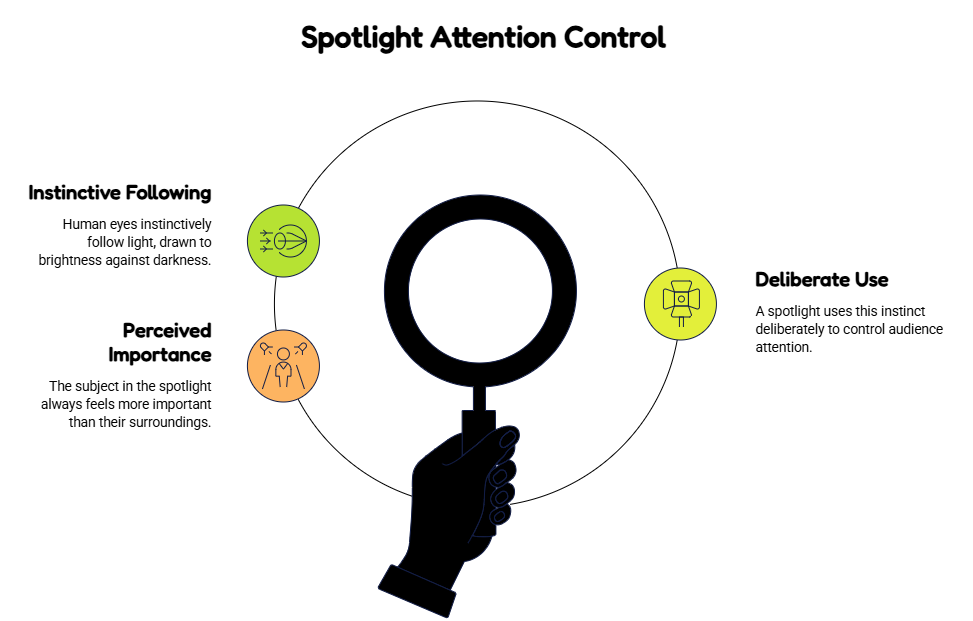
A spotlight says — look here. And the audience looks. Not because they were asked to, but because that’s how human eyes work. We follow light instinctively. We’re drawn to brightness against darkness. A well-placed spotlight uses that instinct deliberately, and as a result, the subject in the beam always feels more important than everything around them.
The Difference Between Good and Bad Stage Lighting
Bad stage lighting is usually one of two things. Either everything is too bright — flat, harsh, shadowless — and the stage looks like a car park at night. Or nothing is bright enough and the performers look like they’re standing in a poorly lit corridor.
Good stage lighting, on the other hand, uses contrast. It uses darkness as much as light. And at the centre of it — almost always — is a spotlight that knows exactly where to point.
Types of Stage Lighting Spotlights Worth Knowing About
A Simple Breakdown
| Spotlight Type | Best For | Key Feature |
|---|---|---|
| Fresnel Spotlight | Theatre, conferences, intimate venues | Soft adjustable beam edge |
| Profile Spot | Concerts, award shows, TV productions | Sharp precise beam, gobo ready |
| LED Moving Head Spot | Concerts, festivals, clubs | Full movement, colour, gobos |
| Follow Spot | Live performances, touring shows | Tracks moving subjects manually |
| PAR Can | General stage wash, tighter budgets | Simple, reliable, cost effective |
| Beam Spot | Large venues, outdoor festivals | Long throw, dramatic aerial effect |
Which One Actually Fits Your Event
For corporate events and conferences, honestly, a Fresnel or Profile spot is usually all you need. Clean, flattering, professional. It makes speakers look good without distracting from what they’re saying.
For concerts and live music, however, that changes completely. Moving head spots, follow spots, beam fixtures — these are what separate a show that feels like a proper production from one that feels like a rehearsal. The movement, the colour changes, the aerial beam effects — they’re not just decoration. They’re part of the performance.
For award ceremonies, follow spots are almost always essential. Because you’re not just lighting a static stage — you’re tracking people as they move, and that requires someone operating a follow spot in real time, not a pre-programmed fixture pointed at a fixed position.
What’s Actually Included When You Rent From LED Alliance
No Hidden Extras
One thing that frustrates a lot of people about AV and lighting rental is hidden costs. You get a quote for fixtures, and then the media server is extra, the operator is extra, the rigging is extra, the travel is extra. By the time you’ve added everything up the original quote is barely recognisable.
We don’t do that. A stage lighting rental from LED Alliance includes:
- All spotlight fixtures and hardware
- Rigging equipment and trussing where needed
- DMX control desk and full programming
- Dimmer racks and power distribution
- Pre-event rig, focus, and testing session
- Dedicated lighting technician or operator throughout the event
- Full teardown and collection afterward
No surprises. Everything’s in the quote from the start.
Spotlights and LED Displays — Better Together
If you’re also running an LED display at your event, combining it with a properly designed spotlight setup makes both elements work harder. The display fills the backdrop with colour and content. The spotlights cut through in front of it and isolate the performers. Together they create something that looks genuinely production-level.
We handle both in-house, so if you’re looking at LED screen rental or a large LED video wall alongside your stage lighting, we can design everything to work together from the start rather than bolting two separate setups together on the day.
Stage Lighting for Different Types of Events
Concerts and Live Music
This is where spotlights really earn their place. A moving head tracking a vocalist, a follow spot picking up a guitarist mid-solo, beam spots sweeping during a big chorus — these are the moments that make a concert feel like a proper show rather than a rehearsal with an audience.
For concerts we’d typically recommend a combination of moving heads for dynamic coverage, follow spots for key performers, and beam fixtures for atmosphere. The exact rig, though, always depends on the venue size, the number of performers, and the budget available.
Corporate Events and Conferences
Different priorities here. Clarity and professionalism matter most — speakers need to look confident and well-lit, the stage needs to feel considered, and everything needs to photograph and film well for post-event content use. Furthermore, a well-lit speaker on camera looks authoritative in a way that flat overhead lighting simply doesn’t achieve.
Profile spots and Fresnels are therefore the workhorses for corporate events. Controlled, clean, flattering. Sometimes a subtle moving head element adds polish without becoming a distraction.
Award Ceremonies and Galas
Award nights are their own discipline. You’re lighting a stage for presentations, a room for dining, and specific moments — award walks, acceptance speeches, reveal moments — all in the same evening. As a result, flexibility in the rig is essential. Follow spots are almost always part of the setup, and the programming needs to be tight.
For the broader event lighting picture beyond just spotlights, take a look at our professional event lighting page — it covers wash lighting, uplighting, and full production packages in more detail.
A Few Things Worth Sorting Before You Call Us
- Ceiling height and rigging points — these determine which fixtures work and what throw distance you’re dealing with
- Power supply — a full spotlight rig draws significant power so always check with the venue first
- Number of performers — directly affects how many follow spots and moving heads are needed
- Photography and video — if your event is being filmed mention it early so we can set colour temperature and refresh rates correctly
- Event schedule — knowing when the key lighting moments happen helps enormously with programming and operator briefing
- Budget — be upfront about it and we’ll tell you honestly what’s achievable within it rather than quoting you a full production rig you don’t need
Frequently Asked Questions
Do I need a lighting operator on the night? For simple static setups — yes, but a basic operator manages fine. For concerts, award ceremonies, or anything with dynamic cues and follow spots, though, you need someone experienced who’s been properly briefed on the show. We include this in our production packages and it makes a noticeable difference.
How far ahead do I need to book? Two to four weeks is comfortable for most events. For bigger productions with complex rigs, four to six weeks gives the whole team enough time. That said if something’s coming up quickly just get in touch — we’ll tell you honestly what’s possible.
Can you match our brand colours? Yes. LED spotlight fixtures give us full colour mixing. Share your Pantone references or RGB values and we’ll match them as closely as the fixtures allow — which is usually pretty close.
What about outdoor events? Absolutely doable, but outdoor lighting has its own considerations — weatherproofing, power supply, ambient light levels. Tell us it’s outdoors from the start and we’ll spec accordingly.
What if something fails during the event? We carry backup fixtures to every job. Additionally, having a technician on site throughout means any issue gets fixed quickly — usually before most people in the room even notice anything happened.
Get in Touch — Let’s Talk About Your Event
So if you’ve got a stage to light and an audience to impress, the next step is simple. Tell us the event, the venue, the date, and roughly what’s happening on stage. We’ll come back with honest advice and a clear quote — no fluff, no upsell.
Follow us on Facebook to see recent stage setups and live production work before you reach out — it’s a good way to get a feel for the kind of events we work on. Contact Us